Featured
Table of Contents
The challenges of the 21st century necessitate both the requirement for raised self-awareness, and the life-affirming interconnectedness with household, work, good friends, and culture as a whole. Granted, because we are all very different individuals, one's needs for connectedness at job might fade in comparison to the connections with culture in basic.

Over the previous several years, research has disclosed that it is as reliable or more effective than behavior treatments such as cognitive-behavioral therapy (CBT). Psychoanalytic specialists highlight that the therapies which address numerous psychological health and wellness concerns by checking out unconscious concerns are especially effective for those experiencing several personal, monetary, and social stressors.
The theories of deepness psychology concern the entirety of human experience, not just those with identified psychological health disorders. The academic structures of depth psychology hold strongly to the worth of discovering the unconscious and bringing it into mindful recognition. We are all part of a world in which we must really feel gotten in touch with the office, neighborhood, and society in which we live.
2 of these, the personality and the anima/animus, are relational; the persona associates with the external globe, and the anima/animus to the internal globe. The vanity, which is mainly body-based and might be understood as the executive component of the personality, stands along with the shadow, and these two are to do with our identification.
Resource Development in Trauma Therapy
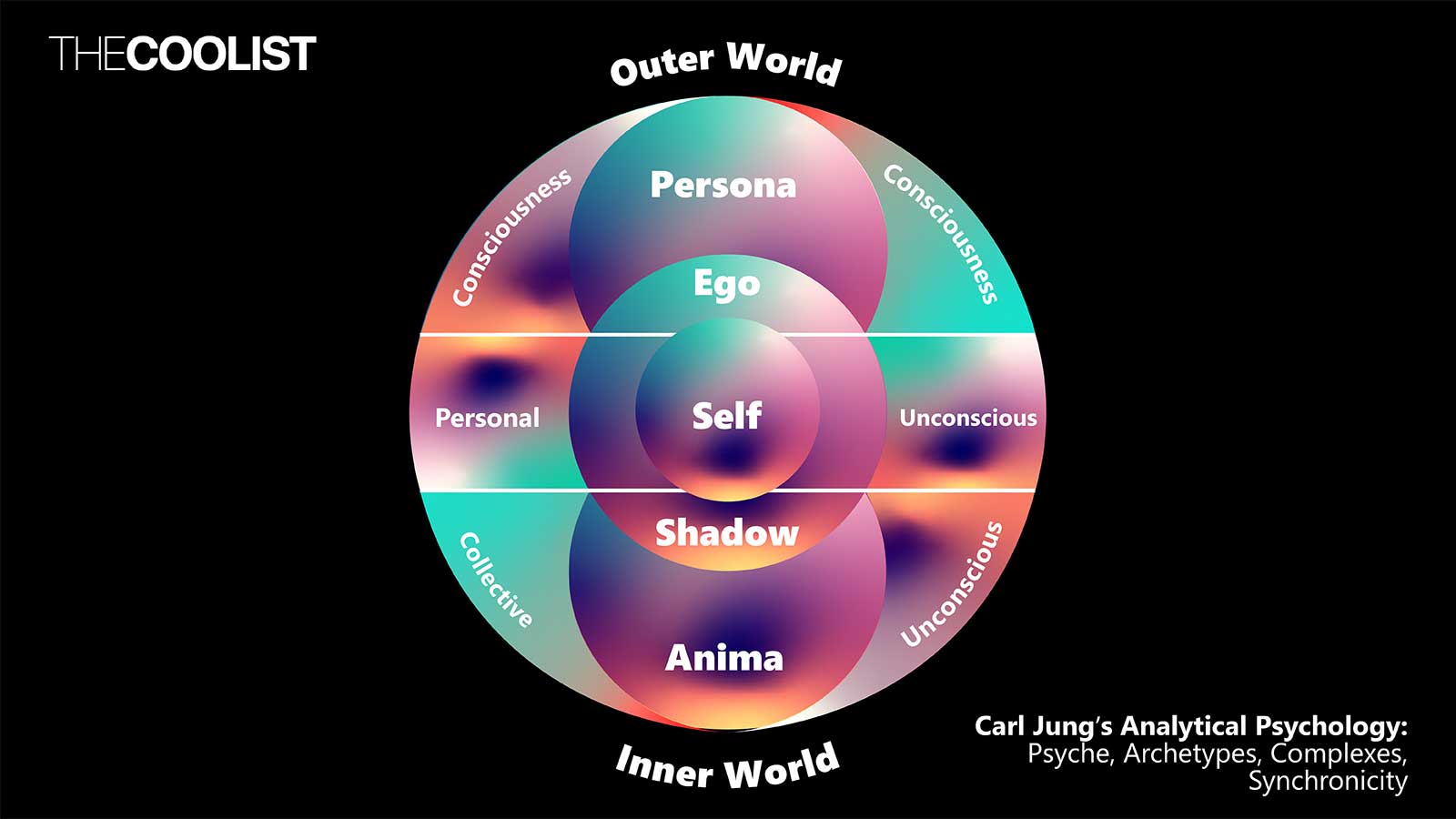
For instance, a person may think that to be assertive is to be self-seeking; so he undergoes life being intimidated by others and deep down flaring with resentment, which in turn makes him really feel guilty. In this case, his potential for assertiveness and his bitterness both form component of his shadow.
It might be practical to believe of the darkness in a vertical way. On top is the personal shadow it might feel rather black, formless and underdeveloped in addition to unwanted and disowned. But, as we have seen, whilst it may feel like a cess-pit it can also be a treasure.
Releasing Trauma Held in the Body
This, like the personal shadow, is relative because it will certainly remain in component culturally identified. It includes that which opposes our mindful, common and cumulative worths. As an example, female circumcision serves in some cultures; and abhorrent to participants of other social groups. Something like paedophilia, however, is a transgression of a taboo, which seems to be globally maintained.
The issue of wickedness is one that Jung checked out with his correspondence with the Dominican, Fr Victor White, and with his works, particularly "Answer to Task". Just how is the darkness come across? I may start to notice that a great deal of various other individuals are instead money grubbing.
What are a few of the disowned facets of the psychosomatic unity that we call a person? The body is a great area to begin. Its form is bothersome for some individuals, that do not feel physically joined-up; others do not like or dislike their form and go to dire sizes to transform it; others feel quite disembodied.
Accessing Payment Support for Trauma Therapy
After that there are sexuality and sex and their accompanying anxieties and stress. In terms of human growth, when babies can experience, enjoy and live in their bodies, they can after that learn, with their mother's aid, just how to convert experiences into influences. "butterflies" in the belly can imply "I am nervous/feeling shy/afraid of that authority figure and so on".
However lots of people that look for therapy featured a digit of feelings secured behind a defensive wall of armouring, which prevents distance with themselves and others, true intimacy and problem. Favorable and downsides feelings are predicted onto those around them, and with the estimate goes the capacity to assume plainly concerning situations and relationships.
Yet it omits pity; most of us often tend to feel embarrassed of our darkness, some cripplingly so. In the early phases of his autobiography, Jung makes regular recommendation to his mommy's use of pity as a way of self-control. But neither Freud neither Jung paid much interest to embarassment, although they both experienced significantly from its results.
For the shadow to emerge without getting over the vanity with the toxic results of shame, we each need a different relational and mental atmosphere; evaluation, psychiatric therapy, counselling all of these offer such an atmosphere in different means. The therapist uses consistent positive regard, expressed in component with a dedication to reliability, continuity and the desire to share his/her understanding of the individual's inner and external globe with the person.
The Benefits of Community-Based Trauma Work
The individual starts to rely on the therapist; and this trust fund deepens when shadow elements of the individual entered into the therapeutic partnership, where they are accepted with concern and attempts at understanding. If all works out enough, they are not subjected yet once more to disapproval, reproaching or being rejected, and the energy which is secured within them is released.
This process, the assimilation of the shadow, leads to self-acceptance and self-forgiveness. Grievance and blame pave the way to the taking of responsibility and efforts at sorting-out what belongs to whom. A tough principles, which tends to be self- and other-punitive can kick back, and individual worths can be embeded in counterpoint to cumulative principles.
The trickster is best represented, possibly, by the figure of Hermes, that offered Pandora ('the all-gifted one') audacity and shrewd. In Western culture it is the wolf that brings us near the world of shadow at its more sensual degree. De Vries (1984) mentions the archetypal top qualities of the wolf: untamed nature, fertility, lust, ruthlessness, murderousness, avarice; "the wicked, melancholic starving" that can acquire even more humane qualities.

Latest Posts
How Psychodynamic Therapy Supports for Relationship Challenges
Importance of Integrative Trauma Care in El Dorado Hills, CA
Addressing Dissociated Parts of Consciousness